

Introduction
Not all baseball gloves are created equal—and the biggest difference usually comes down to materials.
Leather type affects everything: break-in time, durability, feel, and long-term performance. Yet most players only focus on brand or price, not what the glove is actually made of.
In this guide, we’ll break down the most common baseball glove materials—kip leather, steerhide, and modern alternatives—so you can choose the right glove with confidence.
1. Why Glove Material Matters
The material determines how a glove behaves over time.
It affects:
- Break-in speed
- Pocket stability
- Weight and feel
- Lifespan of the glove
- Overall performance consistency
Key Insight:
Two gloves with the same design can perform completely differently if the leather is different.
2. Kip Leather: Soft, Premium, and Game-Ready
Kip leather comes from younger cattle, producing a finer, tighter grain.
Key Characteristics:
- Soft out of the box
- Lightweight feel
- Faster break-in time
- Smooth, premium texture
Best For:
- Players who want immediate comfort
- Position players who prefer lighter gloves
- Competitive players who value quick usability
Trade-off:
Less long-term structure compared to heavier leathers.
3. Steerhide: Durable, Structured, and Built for Work
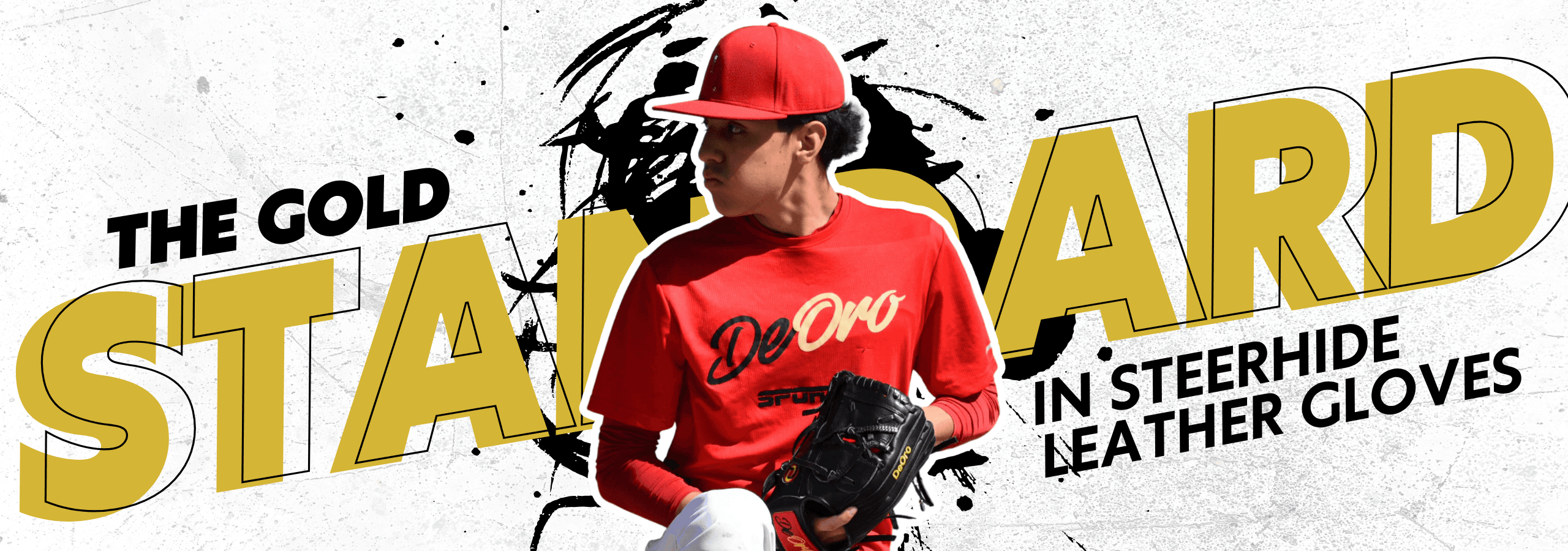
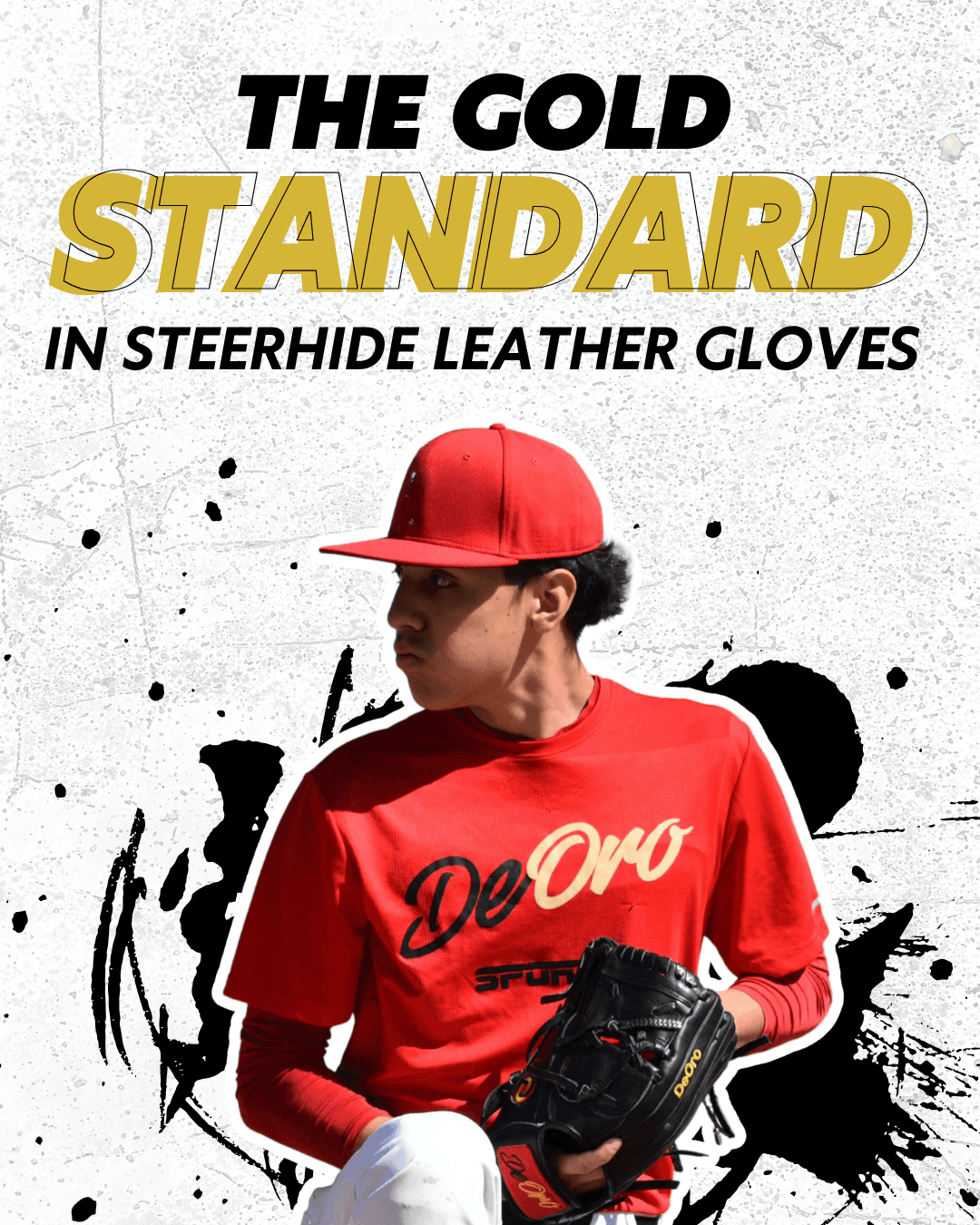
Steerhide comes from older cattle, resulting in thicker, stronger leather.
Key Characteristics:
- Very durable
- Firm structure
- Longer break-in period
- Excellent shape retention
Best For:
- Serious and competitive players
- Heavy-use training environments
- Players who want long-term reliability
Trade-off:
Requires more time to break in.

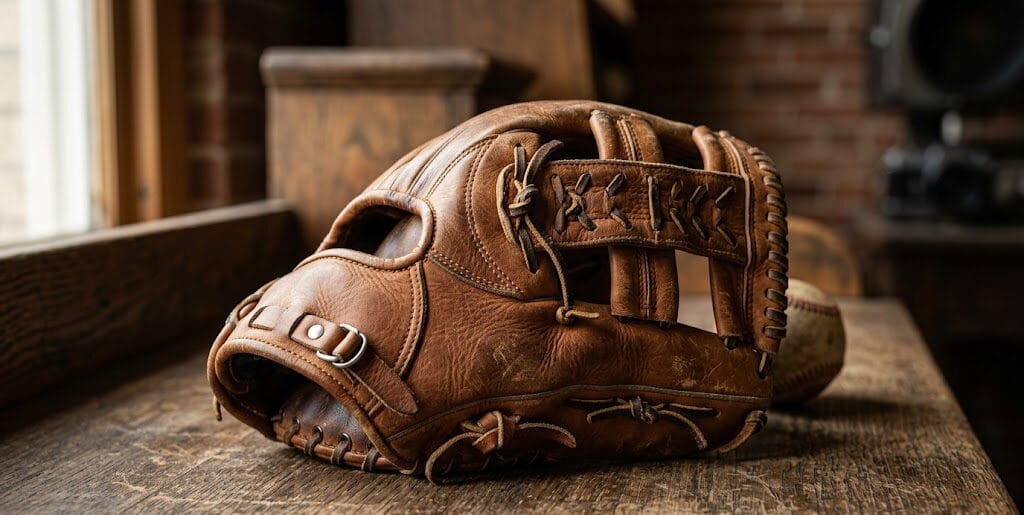
4. Full-Grain Leather: The Traditional Standard
Full-grain leather is the highest quality layer of the hide, used in many premium gloves.
Key Characteristics:
- Extremely durable
- Natural texture and feel
- Ages well over time
- Strong structure
Best For:
- High-performance players
- Long-term glove investment
- Traditional glove feel enthusiasts
5. Synthetic Materials: Lightweight and Affordable
Synthetic gloves use man-made materials instead of natural leather.
Key Characteristics:
- Very lightweight
- Low cost
- Minimal break-in required
- Less durable than leather
Best For:
- Youth players
- Beginners
- Casual or recreational use
Trade-off:
Shorter lifespan and less structure.
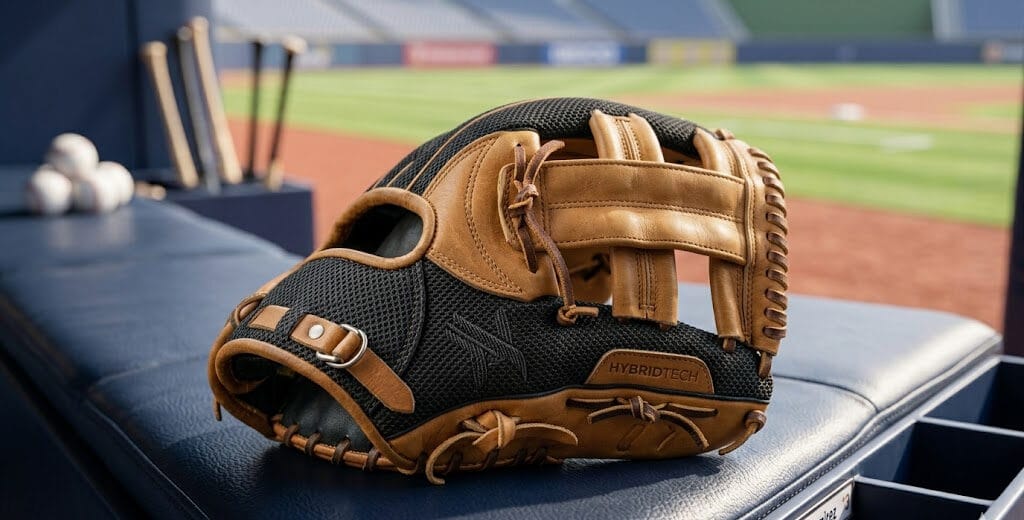
6. Hybrid Gloves: The Modern Balance
Some modern gloves combine materials—such as steerhide shells with kip palm areas.
Key Characteristics:
- Balanced feel
- Moderate break-in time
- Improved durability + comfort mix
Best For:
- Players who want the “best of both worlds”
- Versatility across positions
- Intermediate to advanced athletes
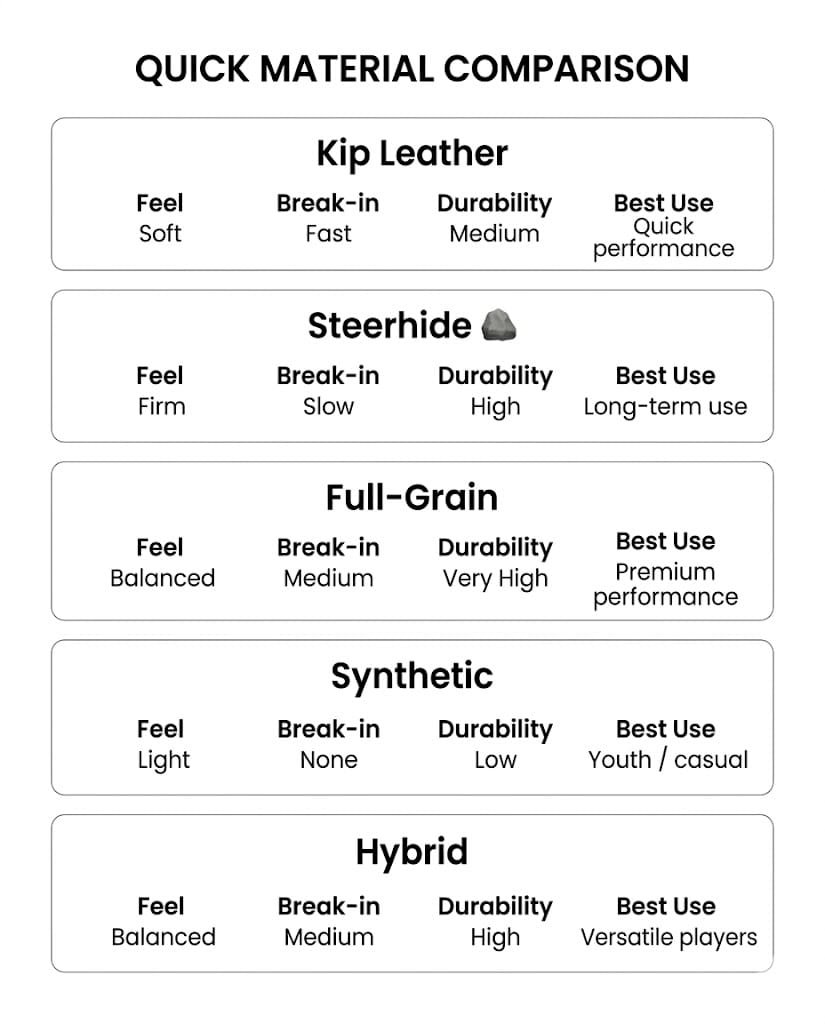
QUICK MATERIAL COMPARISON
Material
Kip Leather
Steerhide 🧤
Full-Grain
Synthetic
Hybrid
Feel
Soft
Firm
Balanced
Light
Balanced
Break-in
Fast
Slow
Medium
None
Medium
Durability
Medium
High
Very High
Low
High
Best Use
Quick performance
Long-term use
Premium performance
Youth / casual
Versatile players
Ready to Level Up Your Game?
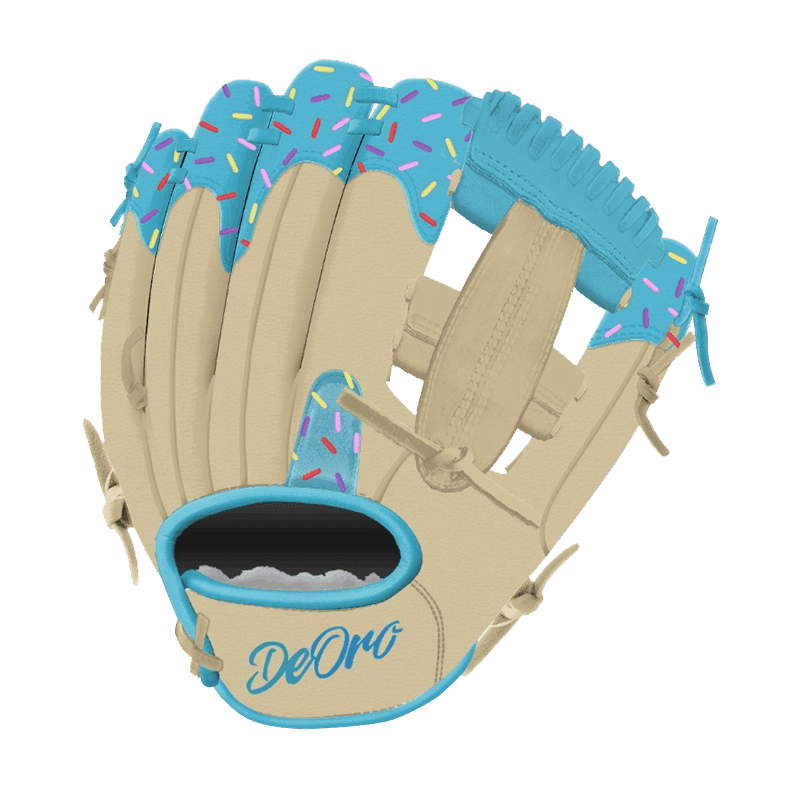
At DeOro Sports, we build gloves for players who take their performance seriously.
🧤 Custom Steerhide Gloves – Built your way, designed for durability
🧤 In-Stock Gloves – Premium quality, ready when you are
📚 Want to Learn More?
Explore more tips, guides, and insights to level up your game. From glove sizing to materials and performance breakdowns—we’ve got you covered.
👉Ice Cream Steerhide Glove vs. Ice Cream Kip Glove: What’s the Real Difference?
👉Steerhide vs Kip: The Truth About Baseball and Softball Gloves
👉Why Pro Players, Serious Competitors, and Travel Ball Athletes Choose Steerhide Over Kip
👉 For more blogs, click here

DISCOVER YOUR IDEAL GLOVE FIT