
How to Cool Down Your Arm After Pitching a Game
Pitching a baseball or softball game is one of the most physically demanding tasks in sports. From explosive throws to repetitive high‑stress motions, your arm takes a serious workload every time you step on the mound. It’s completely normal to feel fatigue, tightness, or soreness afterward—but how you recover can make the difference between staying healthy or risking injury.
A proper post‑game cool‑down helps reduce inflammation, restore mobility, and prepare your arm for future outings. Whether you’re a youth pitcher, high school athlete, or weekend warrior, these recovery strategies will help you protect your arm and stay at the top of your game.
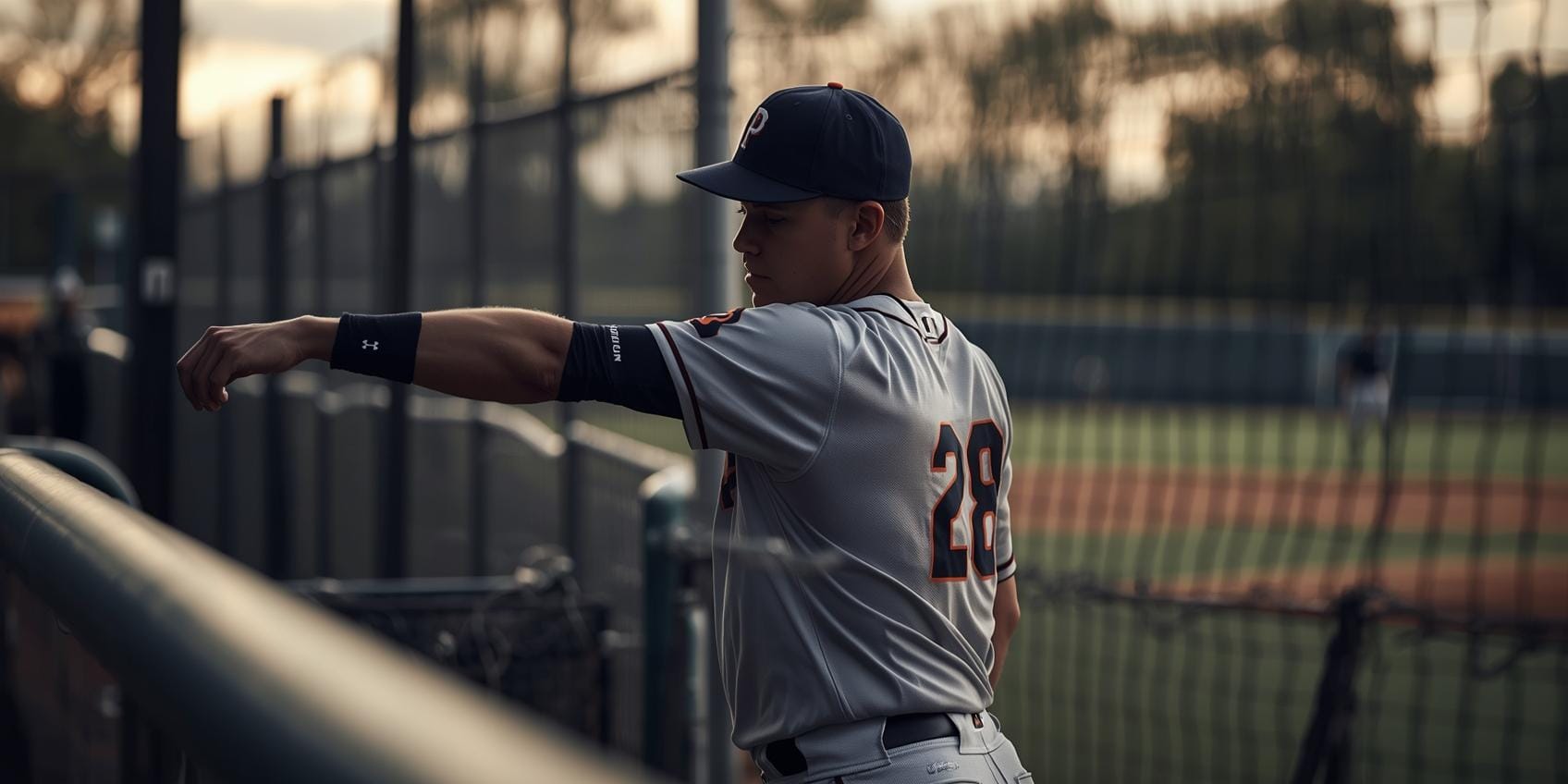
1. Stretching: Restore Mobility and Reduce Stiffness
Stretching is one of the most important (and most overlooked) steps after pitching. Gentle post‑game stretching helps your muscles relax, improves flexibility, and encourages blood flow to tired areas.
Key areas to stretch:
- Shoulders (rotator cuff and deltoids)
- Biceps and triceps
- Forearms and wrists
- Upper back and neck
Hold each stretch for 20–30 seconds and avoid bouncing. The goal is to gently lengthen the muscles—not force them. Consistent post‑game stretching can reduce soreness the next day and improve long‑term arm health.
2. Ice Therapy: Control Inflammation and Soreness
Ice therapy is a go‑to recovery method for pitchers because it helps calm inflammation and relieve soreness after heavy throwing.
How to ice properly:
- Use an ice pack wrapped in a towel on the shoulder, elbow, and forearm for 15–20 minutes
- Or perform an ice‑water immersion for 10–15 minutes
Ice works best within the first hour after pitching. While it doesn’t “heal” muscles instantly, it can help manage swelling and discomfort—especially after high pitch counts.
3. Massage & Soft Tissue Work: Speed Up Recovery
Massage helps break up muscle tightness and improves circulation, which delivers oxygen and nutrients to fatigued muscles.
Options include:
- Foam rollers
- Massage balls
- Handheld massage tools
- Professional sports massage
Start with light pressure and increase gradually. Focus on the shoulder, upper arm, and forearm. If a spot feels especially tender, ease off—pain is not the goal.
4. Active Recovery: Keep the Arm Moving (Lightly)
Complete inactivity isn’t always the best answer. Light movement helps flush out waste products and prevents stiffness.
Good active recovery options include:
- Walking or light jogging
- Easy swimming
- Resistance band exercises
- Very light catch (only if pain‑free and approved by a coach or trainer)
Resistance bands are especially useful for strengthening stabilizing muscles around the shoulder and elbow without heavy stress.
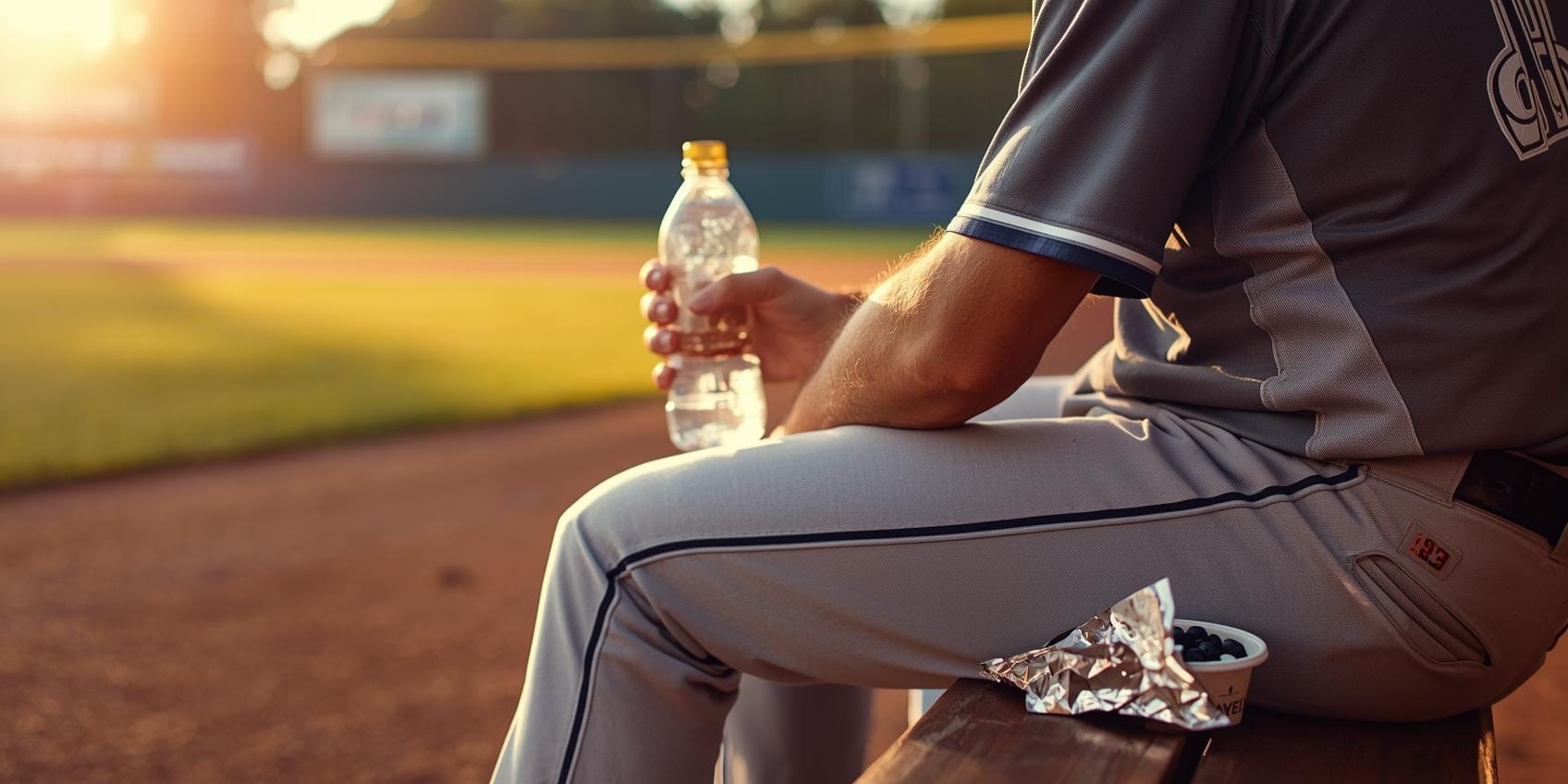
5. Hydration & Nutrition: Recover From the Inside Out
Recovery doesn’t stop with your arm—your entire body plays a role.
Hydration:
Pitching leads to fluid loss, which can increase muscle fatigue. Drink water or electrolyte drinks after the game to replenish fluids.
Nutrition:
Aim for a balanced post‑game meal or snack that includes:
- Protein (for muscle repair)
- Carbohydrates (to restore energy)
- Healthy fats (to support joint health)
Examples include a turkey sandwich, protein smoothie, yogurt with fruit, or chicken with rice.
6. Compression & Arm Care Tools (Optional)
Some pitchers benefit from compression sleeves or arm wraps after games. These can help support circulation and reduce swelling. While not required, they can be a useful addition to your recovery routine—especially during tournaments or multiple‑game weeks.
7. Rest: The Most Important Recovery Tool
No recovery routine works without proper rest. Your arm needs time to heal after pitching, especially after high pitch counts or intense outings.
- Follow pitch count and rest‑day guidelines
- Avoid throwing on consecutive days unless properly conditioned
- Listen to your body—pain is not the same as soreness
Rest days can include stretching, band work, and lower‑body training without stressing the arm.
Warning Signs You Shouldn’t Ignore
If you experience any of the following, stop throwing and seek medical advice:
- Sharp or lingering pain
- Loss of velocity or control
- Swelling around the elbow or shoulder
- Numbness or tingling in the arm or fingers
Early attention can prevent minor issues from becoming serious injuries.
In conclusion, pitching puts unique stress on the arm, but smart recovery can keep you healthy, strong, and game‑ready. Stretching, ice therapy, massage, active recovery, proper nutrition, and rest all work together to protect your arm and extend your pitching career.
Make arm care part of your routine—not just something you do when you’re sore. Your future self (and your ERA) will thank you.
Ready to Level Up Your Game?
At DeOro Sports, our premium Steerhide baseball and softball gloves are built for players who demand performance, durability, and style.
- 🧤 Custom Steerhide Gloves – Designed your way, broken in for your game
- 🧤 In-Stock Gloves – Game-ready quality with fast shipping
- 🏃 DeOro Sliding Mitts – Protect your hands and slide with confidence
Whether you’re stealing bases, flashing leather, or making game-changing plays, DeOro gear is made to help you stand out.
👉 Shop DeOro Steerhide Gloves and Sliding Mitts today and take your game to the next level.
Keep Learning & Level Up Your Game
Want more tips to sharpen your skills and elevate your performance on the field? Explore more from the DeOro Sports Blog, where we break down the game and the gear that helps you play at your best.