

Introduction
Baseball is one of the most beloved sports worldwide, admired for its strategy, athleticism, and precision. While the game may appear straightforward at first glance, success on the field depends heavily on skill specialization and teamwork. One of the most important decisions any player makes—especially at the beginner or developmental level—is choosing the right baseball position. Each position demands a unique combination of physical traits, technical skills, and mental awareness. Selecting a role that aligns with your strengths can elevate both your individual performance and your value to the team. This guide will walk you through the key factors to consider so you can confidently find the baseball position that suits you best.
Understand the Different Baseball Positions
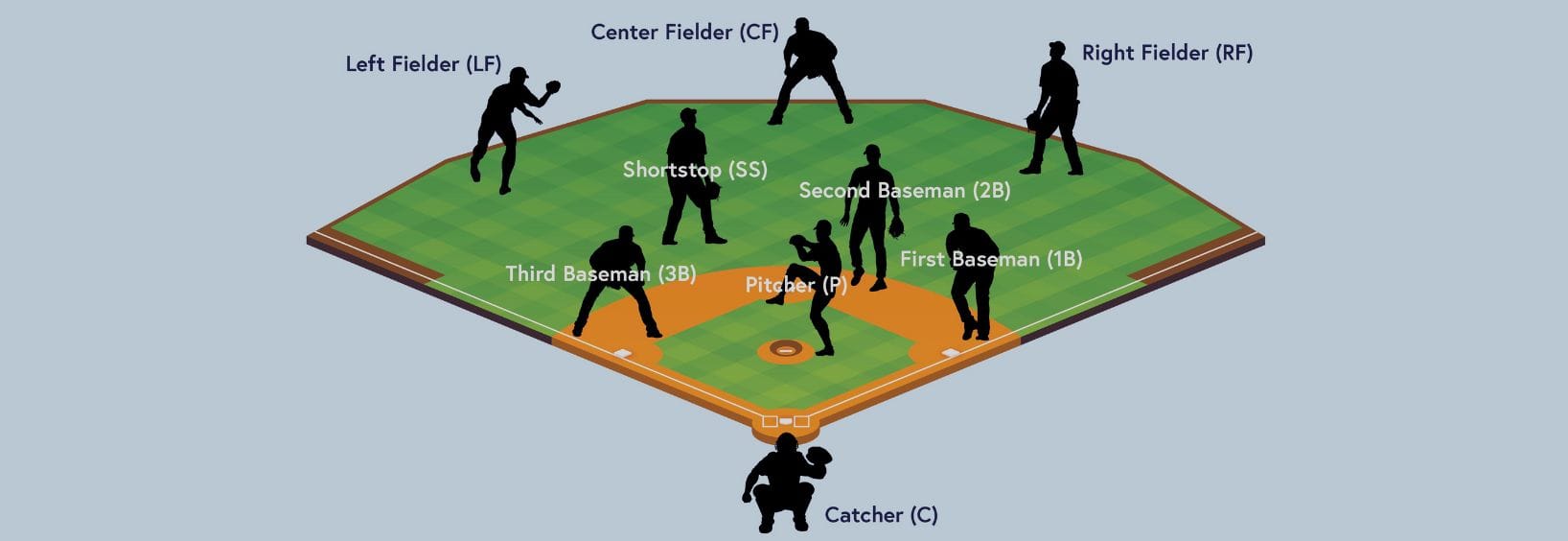
Before choosing a position, it is essential to understand what each role entails. A standard baseball lineup consists of nine positions: pitcher, catcher, first baseman, second baseman, shortstop, third baseman, and three outfielders (left field, center field, and right field).
Each position comes with specific responsibilities. Pitchers control the pace of the game by delivering pitches and working strategically against hitters. Catchers manage the defense, receive pitches, block balls, and make quick throws to prevent stolen bases. Infielders handle ground balls, execute fast plays, and require strong reflexes and arm strength, while outfielders track fly balls, cover large areas, and often need speed and accurate long throws. Understanding these roles provides a foundation for making an informed decision.
Assess Your Skills and Physical Attributes
Once you understand the positions, take an honest assessment of your abilities. Consider key physical traits such as speed, strength, endurance, coordination, and flexibility. Then evaluate your baseball-specific skills, including throwing accuracy, catching ability, footwork, and hitting consistency.
For example, players with strong arms and good accuracy may thrive as pitchers or third basemen, while quick, agile players often excel at shortstop or second base. If you are fast with strong tracking skills, the outfield—particularly center field—may be a natural fit. Matching your strengths to the demands of a position increases both confidence and performance.
Factor in Team Needs
Baseball is a team sport, and individual success is closely tied to team balance. When choosing a position, it is important to consider where your team needs support. Coaches often assess roster gaps and may recommend positions based on team composition.
If your team lacks catchers and you have strong defensive instincts and durability, stepping into that role could be invaluable. Being flexible and willing to fill a needed position not only helps the team but can also increase your playing time and development opportunities.

Try Multiple Positions
Especially for younger or newer players, experimenting with different positions is highly beneficial. Practices, scrimmages, and non-competitive games provide excellent opportunities to test various roles without pressure.
Playing multiple positions helps you discover where you feel most comfortable and effective, while also building overall baseball IQ. Over time, patterns will emerge—whether it is quicker reaction time in the infield or better reads in the outfield—making it easier to specialize in a primary position.
Enjoy the Learning Process
Choosing a baseball position should be an enjoyable and rewarding experience. Do not feel pressured to settle on a role too quickly or fear making mistakes along the way. Growth in baseball comes from experimentation, repetition, and a willingness to learn.
When you enjoy the position you play, motivation increases, effort improves, and development follows naturally. Passion and work ethic often matter just as much as raw talent, and players who commit fully can succeed in virtually any role on the field.
Conclusion
Selecting the right baseball position is a key step in maximizing your potential as a player. By understanding the responsibilities of each position, assessing your personal strengths, considering your team’s needs, experimenting with different roles, and embracing the learning process, you can find the position that best fits you. With the right mindset and commitment, the position you choose can help you grow, contribute, and enjoy the game to its fullest. Best of luck on your baseball journey.